On this page 10 sections
- How much cinnamon and fenugreek are in Leanova Capsules?
- What do the extract ratios 4:1 and 20:1 mean?
- Is the cinnamon in Leanova Capsules cassia or Ceylon?
- What does research say about cinnamon?
- What does research say about fenugreek?
- Do cinnamon and fenugreek have EU health claims?
- Who should be careful with cinnamon and fenugreek?
- How do these herbs fit with the rest of the Leanova Capsules formula?
- How can you check the herbs on your own bottle?
- FAQ
Leanova cinnamon is listed as 30 mg of "Cinnamon Extract 4:1" per serving, next to 10 mg of "Fenugreek Extract 20:1", on the official ingredients page, and neither has a reference value1. NCCIH says research does not clearly support cinnamon for any health condition and that many fenugreek studies were of low quality2,3. Neither herb has an authorised EU health claim, and both carry pregnancy and allergy cautions worth raising with a doctor or pharmacist before you take Leanova Capsules.
How much cinnamon and fenugreek are in Leanova Capsules?
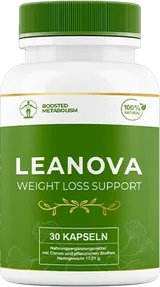
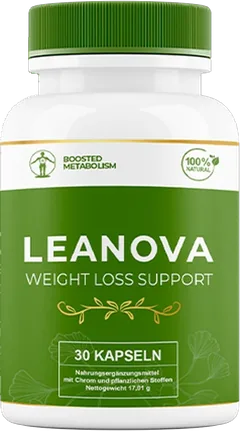
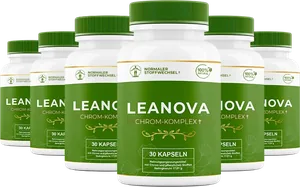
The official ingredients table lists 30 mg of "Cinnamon Extract 4:1" and 10 mg of "Fenugreek Extract 20:1" per serving, both marked "** No recommendation available"1. A serving is one unit a day. The bottle label says "30 KAPSELN" (30 capsules), while the official pages call it a tablet, so check your own bottle4.
| Ingredient | Listed amount1 | Ratio | Species or part stated? | EU claim authorised?5 |
|---|---|---|---|---|
| Cinnamon extract | 30 mg | 4:1 | No | No |
| Fenugreek extract | 10 mg | 20:1 | No | No |
Both lines give the weight of an extract, not of the plant or of any particular compound. We cover what the ratios do and do not tell you below. We have no photo of the bottle's back panel, so we could not check whether it says more.
What do the extract ratios 4:1 and 20:1 mean?
The ratios are not explained on the official page, so they cannot be used to work out a plant or compound amount1. Extract ratios are commonly read as the amount of starting plant per amount of finished extract, but the page does not confirm that reading, the method or what the extract is standardised to.
In practice this means:
- you cannot compare 30 mg of this cinnamon extract with a teaspoon of kitchen cinnamon;
- you cannot compare 10 mg of this fenugreek extract with the amounts used in studies;
- the bottle label, or a written answer from the seller, is the only way to learn more.
If you want those details, write to [email protected] and ask what the ratios mean, which cinnamon species is used and what each extract is standardised to.
| Ingredient | What the source says |
|---|---|
| Vitamins and minerals | Defined nutrients with reference values, upper limits and EU-authorised wording |
| Chromium for weight | Very small benefit in trials |
| Berberine | Effects mainly above 1 g a day; more research needed |
| Fenugreek | Low-quality blood sugar studies |
| Cinnamon | Not clearly supported for any condition |
| Red yeast rice | Depends on monacolin K, not stated |
| Glucomannan | Little to no weight effect; not listed |
Sources: NIH ODS, NCCIH, EFSA, EU Regulation 432/2012. We found no study of Leanova Capsules themselves.
Is the cinnamon in Leanova Capsules cassia or Ceylon?
The official ingredients page does not say1. That matters, because NCCIH explains that the types and parts of cinnamon differ in chemical composition, and that many products do not say which species or plant part they contain2.
The two main types NCCIH describes2:
- Ceylon cinnamon (Cinnamomum verum), called "true" cinnamon, grown mainly in Sri Lanka. NCCIH says larger amounts of Ceylon cinnamon during pregnancy are considered unsafe.
- Cassia cinnamon (Cinnamomum aromaticum), the most common type sold in North America. It contains coumarin, and some cassia products contain high levels. NCCIH says prolonged use could be an issue for sensitive people, such as those with liver disease.
Without the species, you cannot tell which caution applies. If you have liver disease or are pregnant, ask your doctor before taking any product with a cinnamon extract, and ask the seller which species is used.
Order
Leanova Capsules packages and prices
The site owner's package prices, when we checked on November 25, 2026; confirm at the live checkout. The official checkout showed no prices when we looked, and the official pages list 1, 2, 3 and 5 packs. Order links here open the official Leanova checkout.
Pick a package to see the total, cost per capsule and run-out date.
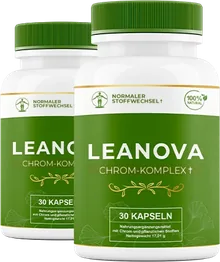
2 bottles
60 capsules · about 60 days at one a day
€79per bottle, incl. VAT
- Total
- €158
- Per capsule
- €2.63
- Shipping
- €20 shipping
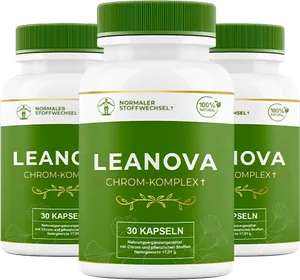
3 bottles
90 capsules · about 90 days at one a day
€69per bottle, incl. VAT
- Total
- €207
- Per capsule
- €2.30
- Shipping
- Free shipping
6 bottles
180 capsules · about 180 days at one a day
€49per bottle, incl. VAT
- Total
- €294
- Per capsule
- €1.63
- Shipping
- Free shipping
- Check the delivery countryThe official shipping page lists European countries and the UK. Ask [email protected] first if you live elsewhere.
- Pick a packageBottles of 30 capsules. The checkout decides the final packages, amount and currency.
- Pay on the official checkoutFitSmart B.V. is the seller. Read the total and any repeat-delivery option before you pay.
- Keep bottles sealed until you are sureThe 30-day return covers unopened bottles only. Save the order email.


 Badges supplied by the seller, shown as supplied. No certifying body is named for any of them; what each one means is on the guarantee page.
 Card logos come from the seller's pack; the official terms name card, PayPal, bank transfer, invoice and Klarna. Order links are marked sponsored. Ask your doctor first if you take medicine.
What does research say about cinnamon?
Research on cinnamon alone does not clearly support it for any health condition, and none of it tested Leanova Capsules. NCCIH says "It's unclear whether cinnamon supplementation is helpful for diabetes or weight loss," and that higher-quality research is needed2.
NCCIH also notes that many diabetes studies are hard to interpret because the species or plant part tested is often unclear2. On safety, it says cinnamon is likely safe in food amounts, while larger amounts or long-term use may cause stomach problems or allergic reactions2.
The official home page describes cinnamon in its marketing as complementing other ingredients for post-meal glucose4. That is the seller's wording, not an authorised claim, and the research behind such lines studied cinnamon alone. Our science page explains why ingredient studies are not product studies, and our blood sugar page covers what the formula can claim on that topic.
What does research say about fenugreek?
NCCIH says fenugreek "may help lower blood sugar levels in people with type 2 diabetes," but that "many of the studies were not of high quality"3. That research studied fenugreek on its own, usually at much larger amounts, not the 10 mg extract in Leanova Capsules.
The same page says large doses may cause a harmful drop in blood sugar3. That is a reason for anyone on diabetes medicine to ask a doctor or pharmacist before taking fenugreek, especially as the formula also lists chromium and berberine, which have their own blood sugar cautions6,7.
NCCIH lists side effects such as diarrhea, nausea and other digestive symptoms, and says fenugreek is possibly safe for adults in larger amounts3. Evidence for other uses is too limited to reach conclusions, according to the same source.
Do cinnamon and fenugreek have EU health claims?
No. No health claim is authorised for cinnamon or fenugreek in the EU5. The official home page itself says in a footnote that EFSA has not approved claims for fenugreek, cinnamon or berberine for appetite regulation4.
The same page says the literature supports traditional use of these herbs for satiety4. That is marketing wording. The NCCIH fenugreek page does not discuss appetite at all3, and NCCIH says research does not clearly support cinnamon for any condition2. Our cravings and appetite page looks at each marketing line about cravings and what the sources actually say. Results vary, as the official site states4.
Who should be careful with cinnamon and fenugreek?
Pregnant women, people with allergies, people with liver disease and anyone taking medicines should ask a doctor or pharmacist first. Here is what each source says.
| Group | Cinnamon (NCCIH)2 | Fenugreek (NCCIH)3 |
|---|---|---|
| Pregnancy | Larger amounts of Ceylon considered unsafe | Not safe above food amounts; linked to birth defects in animals and people |
| Breastfeeding | Little known about larger amounts | Little known about amounts above food |
| Allergy | Larger amounts may cause allergic reactions | Can cause allergic reactions, including serious ones |
| Liver disease | Cassia coumarin a concern | Not named |
| Medicines | Talk to a provider if you take any medicine | Talk to a provider if you take any medicine |
The official Leanova site says the product is for adults only and asks anyone pregnant, breastfeeding, with a condition or taking medicines to consult a professional before use4. Our pregnancy and age warnings page brings the cautions for all twelve actives together, and the ingredients overview shows the full table.
How do these herbs fit with the rest of the Leanova Capsules formula?
Cinnamon and fenugreek are two of twelve actives, and several of their cautions overlap with other ingredients on the same table1. Looking at the whole list is more useful than looking at each herb on its own.
The overlaps that come up in our sources:
- Blood sugar and diabetes medicines. Fenugreek in large doses may cause a harmful drop in blood sugar3; chromium may cause low blood sugar with insulin, metformin or other diabetes medicines6; berberine may add to diabetes medicines7.
- Pregnancy. Fenugreek is not safe above food amounts in pregnancy3, berberine is likely unsafe7, and EU rules say red yeast rice supplements are not for pregnant women8.
- Liver. Cassia cinnamon's coumarin is a concern for people with liver disease2, and red yeast rice products with substantial monacolin K can cause liver damage9.
None of these combinations has been studied in Leanova Capsules; each caution comes from research on a single ingredient. That is the reason to show the whole table, not just one line, to your doctor or pharmacist.
How can you check the herbs on your own bottle?
Read the back panel of the bottle you receive, because we could only see the front. Look for three things:
- whether the cinnamon species (cassia or Ceylon) is named;
- whether the extract ratios and amounts match the official table;
- any allergy or pregnancy warnings.
If the label and the official page differ, the label on your bottle is the one that applies. Write to [email protected] with any question the label does not answer, and keep the reply with your order email.
What should you ask your doctor or pharmacist?
Bring the ingredients list and ask whether these two herbal extracts suit you. Useful questions:
- I am pregnant or planning a pregnancy. Should I avoid fenugreek and cinnamon extracts?
- I have had allergic reactions to herbs or spices before. Is fenugreek a concern for me?
- I take diabetes medicine. Do fenugreek, chromium and berberine together change your advice?
- I have liver disease. Does it matter that the cinnamon species is not stated?
Do not start, change or stop a prescribed treatment because of a supplement.
Frequently asked questions
What is the Leanova cinnamon extract amount?
The official table lists 30 mg of "Cinnamon Extract 4:1" per serving1. The page does not explain the ratio or name the species.
How much Leanova fenugreek is in each serving?
The official table lists 10 mg of "Fenugreek Extract 20:1"1. The ratio is not explained, so it cannot be converted into a seed amount.
Is the Leanova cinnamon cassia or Ceylon cinnamon?
The ingredients page does not say1. NCCIH says cassia contains coumarin linked to liver effects and that larger amounts of Ceylon are considered unsafe in pregnancy2, so ask [email protected].
Should people with a fenugreek allergy avoid Leanova Capsules?
Ask your doctor first. NCCIH says fenugreek can cause allergic reactions, including serious ones3, and Leanova lists a fenugreek extract.
Sources for this page
L = the bottle label in the seller's photos. D = the official Leanova pages (FitSmart B.V.). S = health, EU and U.S. government sources.
- D2 Leanova ingredients page (leanova.co/ingredients). FitSmart B.V. (official Leanova site). leanova.co/ingredients
- S8 Cinnamon. National Center for Complementary and Integrative Health (NCCIH). www.nccih.nih.gov/health/cinnamon
- S9 Fenugreek. National Center for Complementary and Integrative Health (NCCIH). www.nccih.nih.gov/health/fenugreek
- D1 Leanova official home page (leanova.co), FitSmart B.V.. FitSmart B.V. (official Leanova site). leanova.co
- S18 Commission Regulation (EU) No 432/2012, list of permitted health claims. European Union (EUR-Lex). eur-lex.europa.eu/eli/reg/2012/432/oj
- S1 Chromium: Fact Sheet for Consumers. NIH Office of Dietary Supplements. ods.od.nih.gov/factsheets/Chromium-Consumer
- S4 Berberine (MedlinePlus herbs and supplements). U.S. National Library of Medicine, MedlinePlus. medlineplus.gov/druginfo/natural/1126.html
- S7 Commission Regulation (EU) 2022/860 on monacolins from red yeast rice. European Union (EUR-Lex). eur-lex.europa.eu/eli/reg/2022/860/oj
- S5 Red Yeast Rice: What You Need To Know. National Center for Complementary and Integrative Health (NCCIH). www.nccih.nih.gov/health/red-yeast-rice
Last updated November 25, 2026. Facts come from the bottle label, the official Leanova pages and the public health and EU sources above; prices were checked November 25, 2026. Spotted an error? Email [email protected].